Scuba Equipment - Alternate air source
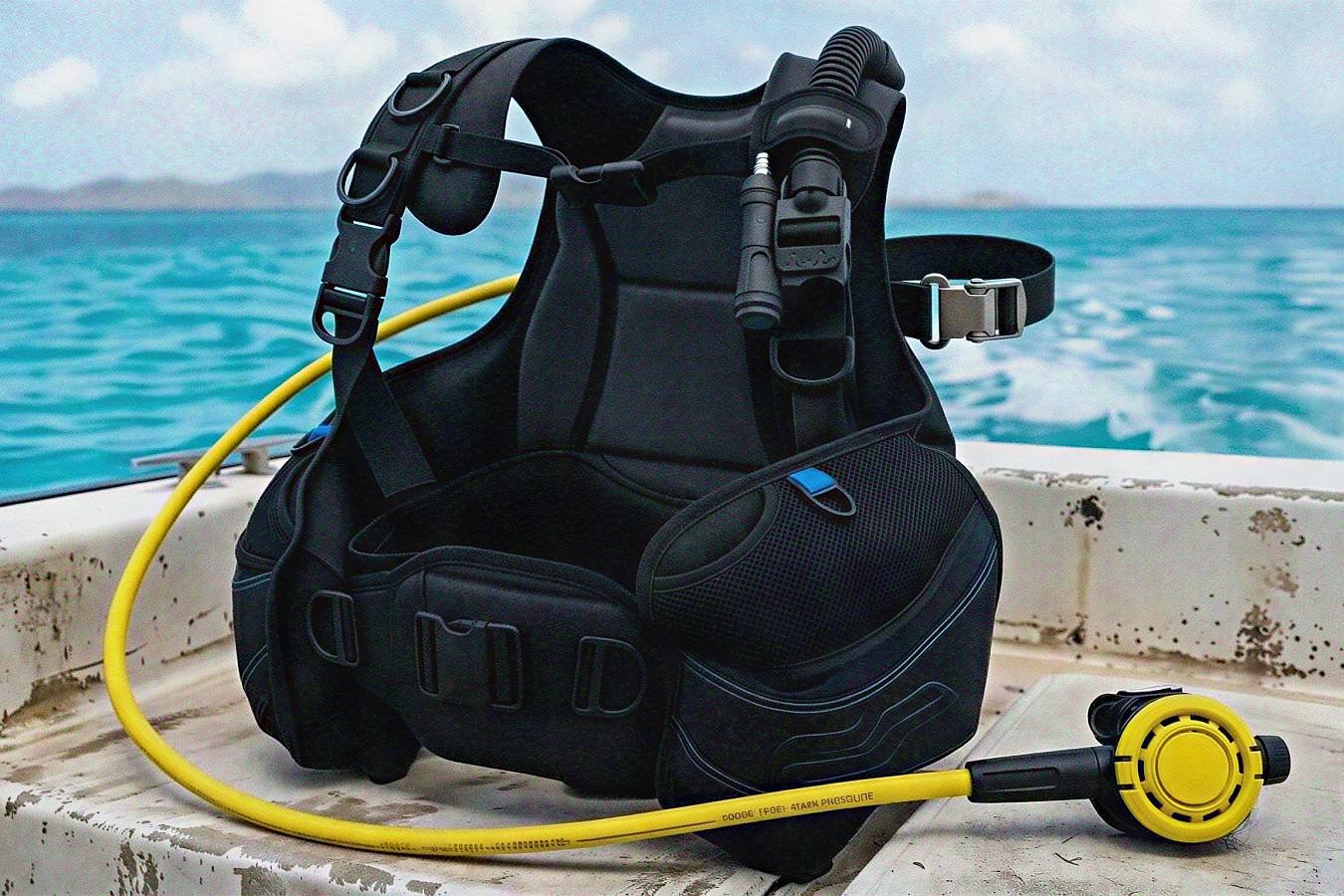
We need an alternate air source for one simple reason. If our buddy runs out of gas, we need a way to share our supply and make a safe ascent together.
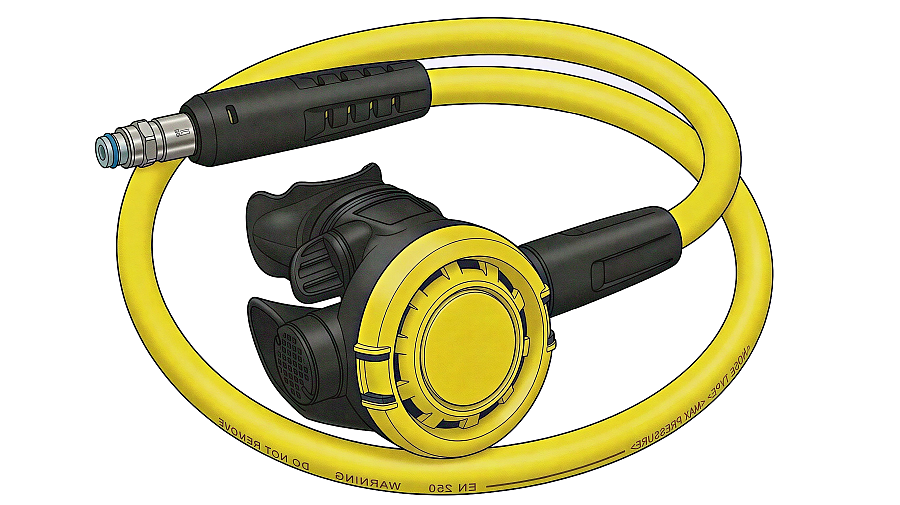
The alternate air source, often referred to as Octopus or AS, is a second stage regulator connected to the same first stage as our main regulator. It looks much like the regulator we breathe from, but we normally leave it unused until our buddy needs it.
Most alternate air sources are easy to recognise by their yellow hose or cover. The hose is often longer than the one on our main regulator, making it easier to be used by our buddy.
Where should we keep it?
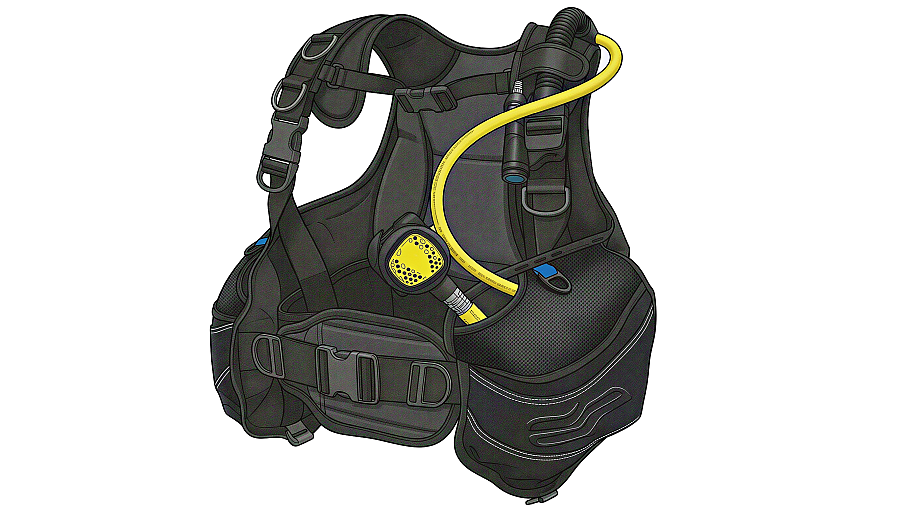
The alternate air source should be clearly visible and easy to reach. Our buddy needs to be able to find and reach it quickly, without searching through our equipment. We can clip it to a D-ring on the chest or secure it in a dedicated holder on the BCD. Some BCDs have pockets designed specifically for this purpose.
I always recommend keeping it in the same place throughout our dives. Our buddy should know where to look, and be able to reach it without thinking. Before entering the water, I run a buddy check together with my buddy. I always check that the hose is not trapped under a strap or caught behind another piece of equipment.
Making it easy to release
In case of an emergency, we need to be able to release it quickly when required. There are several ways to secure it. A rubber loop can hold the regulator against the BCD. A suitable clip can attach it to a D-ring. Some systems use breakaway clips that release when the regulator is pulled. Whatever method we choose, it must keep the regulator secure during the dive while allowing us to remove it easily when needed.
I prefer a simple setup that does not require fiddling with clips or untangling hoses. In an out-of-gas situation, we want to concentrate on helping our buddy, not on trying to free a regulator from our equipment.
For me, the main lesson is simple. An alternate air source is only useful if our buddy can find it and get it without delay.
Practising with our buddy
Using an alternate air source is simple. But we must practise the procedure repeatedly during training until it becomes automatic.
If our buddy signals that they are out of gas, we respond according to the procedure we have practised. We establish contact, make sure we are in a position to assist and provide the alternate air source as agreed during our briefing. Once both divers are breathing normally and calmed down, we start a controlled ascent.
During training, we practise these situations until the procedure becomes familiar. This is important because an out-of-gas emergency can be stressful, and we can´t waste time searching for a regulator or struggling with its attachment.