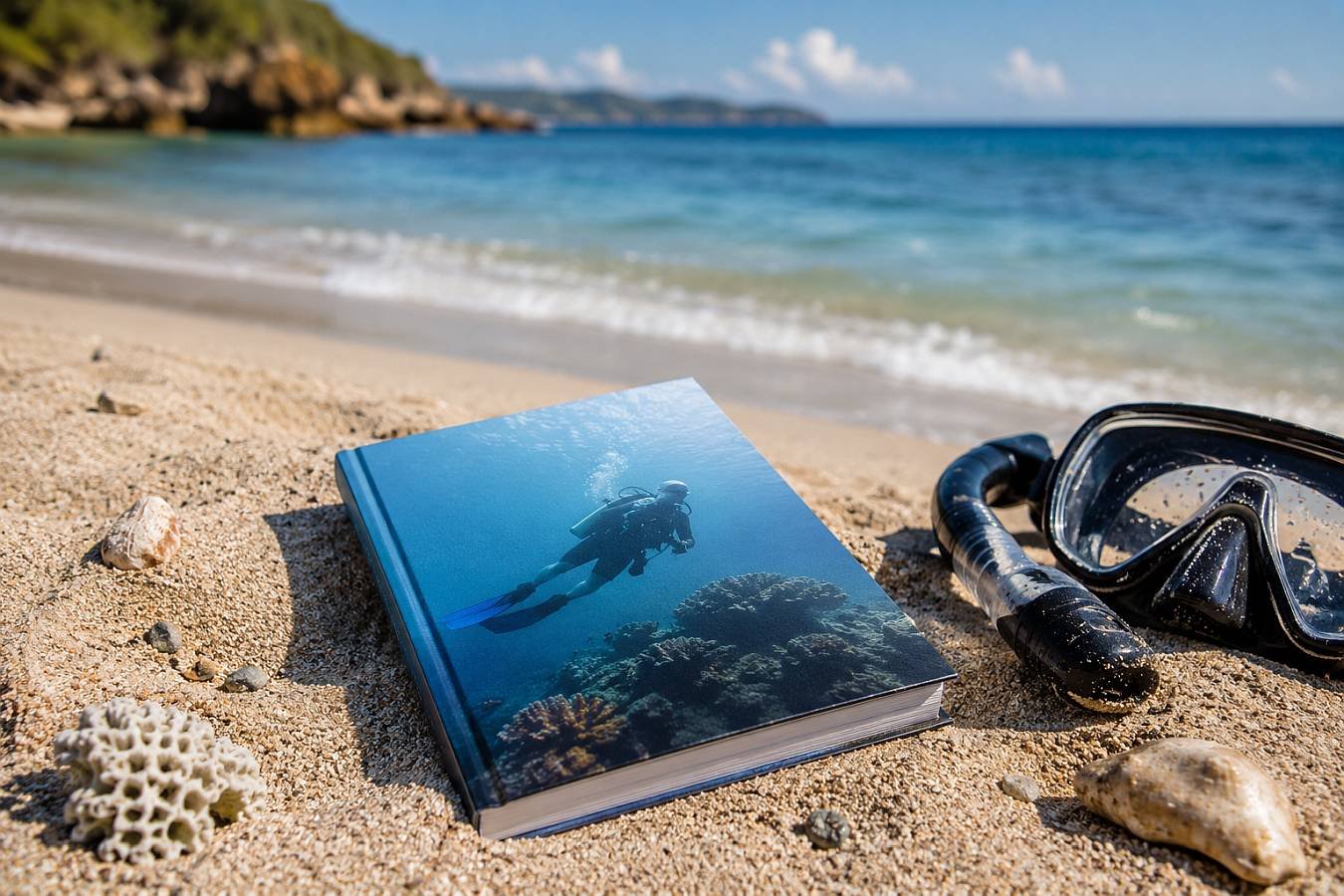
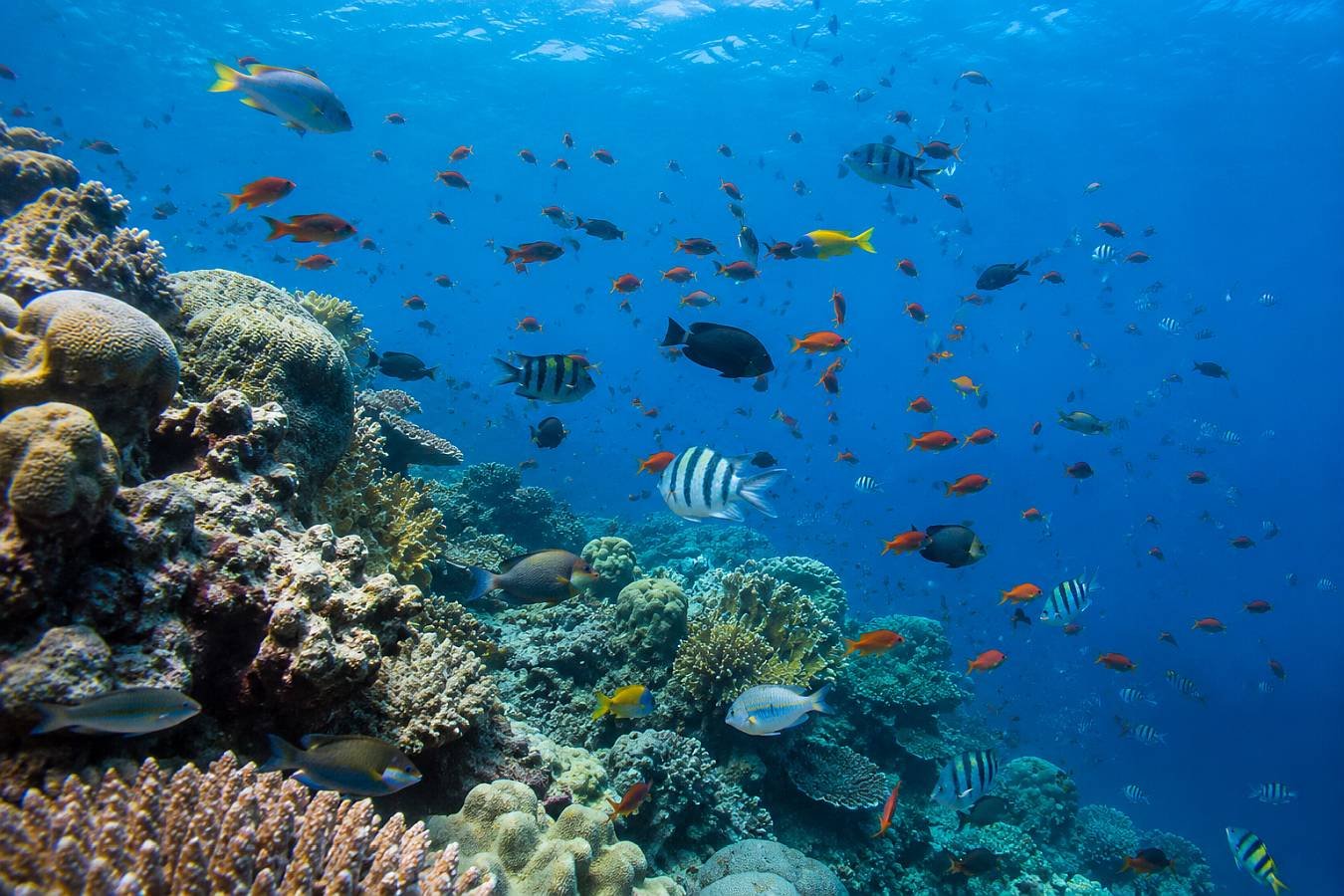
Snorkelling vs Scuba Diving
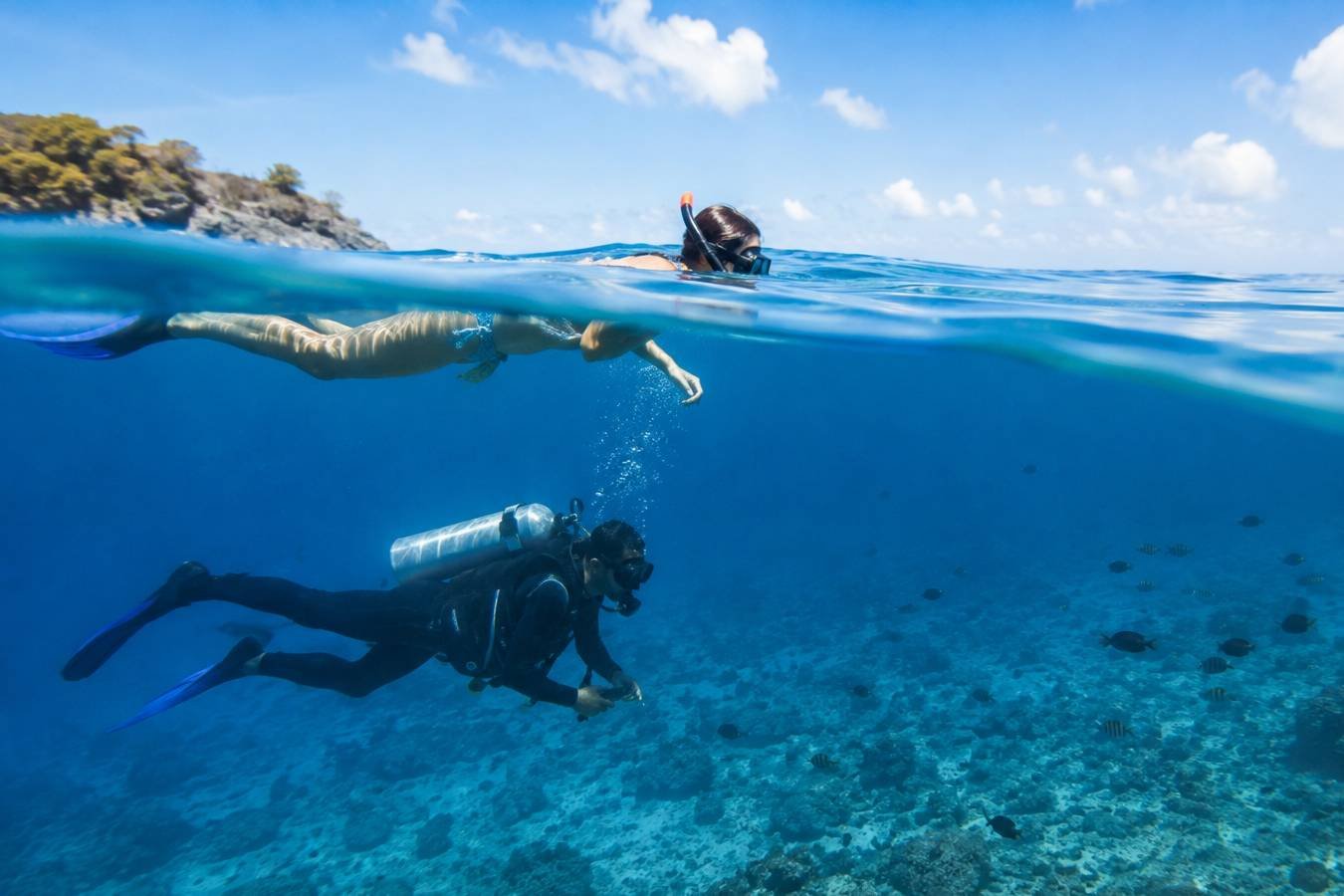
Most people's first encounter with the underwater world happens with a mask and snorkel, and there's a good reason for that. The barrier to entry is almost nothing: a few pieces of kit, a calm stretch of water, and a willingness to put your face in. What you get in return is immediate. Float on the surface, look down, and the ocean reveals itself in a way that genuinely surprises most people the first time. Fish, reef, marine life going about its business just metres below where you're breathing. No training required, no heavy equipment, no commitment beyond getting wet.
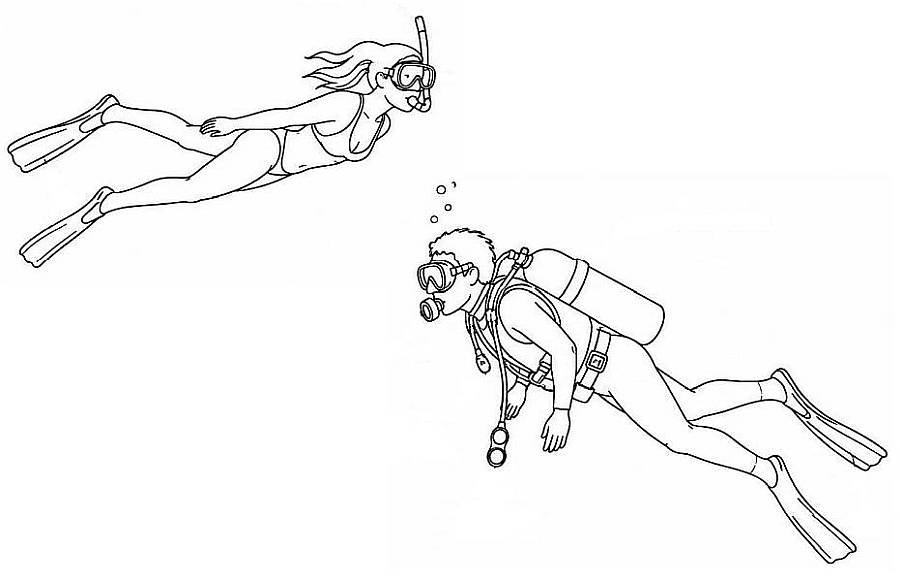
What's less well known is that snorkelling has more range than people assume. Dive down on a breath hold and you can get close to the seabed, investigate something that caught your eye, spend a few seconds in a world that feels completely removed from the surface. How deep you go depends on how long you can hold your breath and how well your ears handle the pressure. Both improve with practice, and the improvement happens faster than most beginners expect.
Scuba diving starts from the same curiosity but takes it somewhere else entirely. The equipment changes what's possible in a fundamental way: instead of borrowing air from the surface through a tube, you carry it with you. A cylinder of compressed gas, a regulator to deliver it at the right pressure, a buoyancy control device, instruments, exposure protection. It looks like a lot of kit from the outside. What it gives you in return is the ability to breathe underwater, continuously, for the length of the dive. The first time you descend and realise you don't have to go back up for air, something shifts. It's difficult to describe to someone who hasn't felt it.
That single difference, breathing, is what separates the two activities at the most basic level. A snorkeller is always connected to the surface. A scuba diver is not. That freedom reshapes the entire experience: more time, greater depth, a quality of presence underwater that surface swimming simply cannot offer.
Depth is where the contrast becomes most apparent. Snorkelling works beautifully in shallow water: reefs near the surface, rocky coastlines, sheltered bays where the light reaches the bottom and the marine life is dense and accessible. Scuba diving opens everything below that. The deeper zones where sunlight thins out and the character of the reef changes. The wrecks sitting silently on the seabed. The creatures that live their entire lives at depths a snorkeller will never reach. Going deeper also means taking on more responsibility. Pressure affects the body in ways that need to be understood, gas is consumed faster at depth, buoyancy becomes more demanding to manage, and decompression becomes a consideration. This is why scuba diving requires proper training rather than simply enthusiasm and the desire to go further down.
Equipment is a practical reality of both activities, just at very different scales. A snorkeller packs light. A scuba diver does not, and becoming comfortable with all that kit is a genuine part of the learning process. I remember finding it overwhelming at first glance. After the course and a handful of dives it fades into the background, and eventually you're not thinking about the equipment at all. You're thinking about what's in front of you.
Time in the water is another difference worth understanding. A snorkeller can stay as long as they like but has to keep surfacing. A scuba diver works within the limits of their gas supply and their dive plan, but within those limits they're completely submerged and completely free. Most recreational dives last between thirty and sixty minutes. Sixty minutes underwater, uninterrupted, with nothing demanding your attention except the world around you, is a genuinely uncommon experience.
The skills required reflect all of this. Snorkelling has a short learning curve for anyone already comfortable in water. Scuba diving demands more: an understanding of buoyancy, gas management, equipment handling, the physics of pressure and what it does to the body, and the calm judgement to make good decisions in an environment that doesn't forgive carelessness. None of it is beyond most people, but it does require proper learning rather than improvisation. The skills build over time and keep building, long after the qualification is done.
I don't think there's much point in ranking the two against each other. Snorkelling is accessible, inexpensive, and can be done almost anywhere with minimal organisation. It's one of the best ways I know to share the sea with someone who has never paid it much attention, particularly children in warm shallow water. Scuba diving offers something categorically different: the genuine feeling of being part of the underwater world rather than observing it from just above. Hovering over a reef, moving through a wreck, watching marine life at a depth where humans rarely go. These are experiences that stay with you.
Which one suits you depends on what you're looking for. If you want easy, affordable access to the marine world without formal training or heavy kit, snorkelling will reward you more than you might expect. If the surface feels like it's in the way, if you want to go further and stay longer and see what's really down there, scuba diving is where that takes you. Many divers began exactly where you might be now, standing at the water's edge with a mask and snorkel, wondering what was below. The two activities don't compete. One tends to lead to the other.
What both offer, in the end, is something worth seeking out: a way into a world that exists just below the one we live in, and that most people never properly see. Snorkelling opens the door. Scuba diving walks you through it.