The Physics Behind Diving - How We See Beneath the Surface
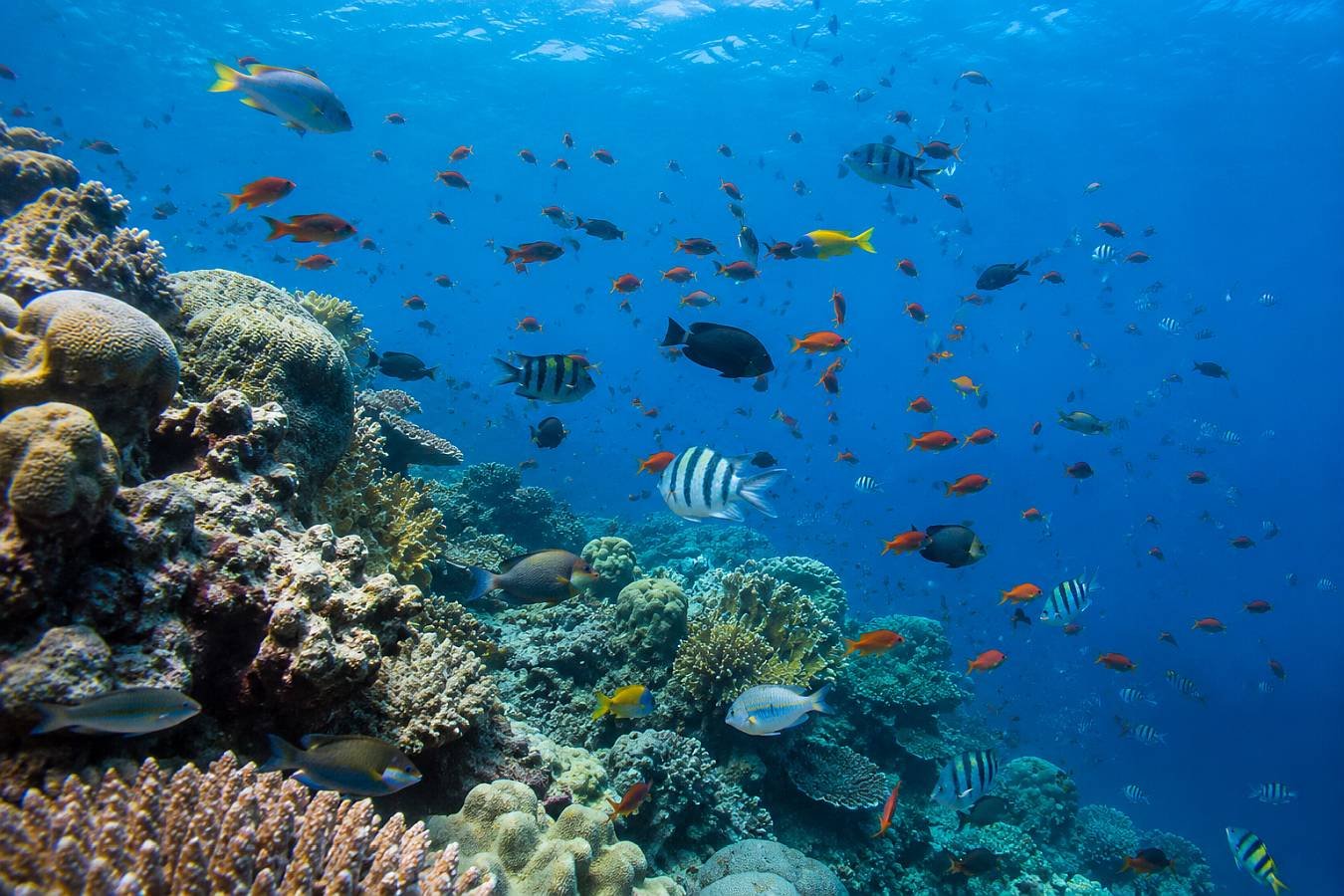
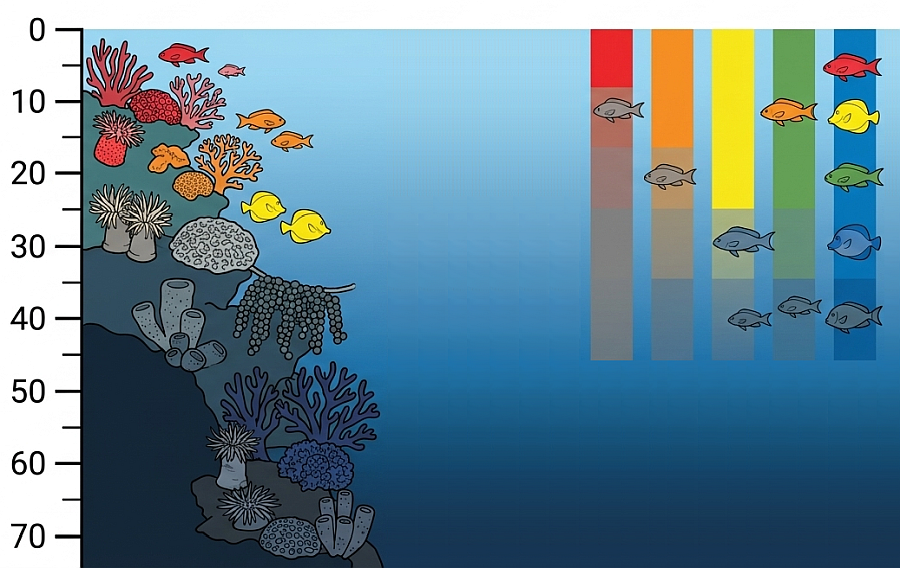
The way we see the underwater world changes almost as soon as we start descending. I remember the first time I really noticed how much the colours change. Red fins that looked perfectly normal at the surface suddenly looked dull and almost brownish a few metres down. The deeper we go, the more the familiar colours disappear and the more the underwater world takes on shades of blue and green.
Red is usually the first colour to go, followed by orange and then yellow. Water filters out different wavelengths of light as we descend, so by the time we reach twenty or thirty metres, much of the colour we see naturally has been lost. A bright red fish is still red, and an orange sponge is still orange. The problem is that the light carrying those colours has been filtered out before it reaches our eyes.
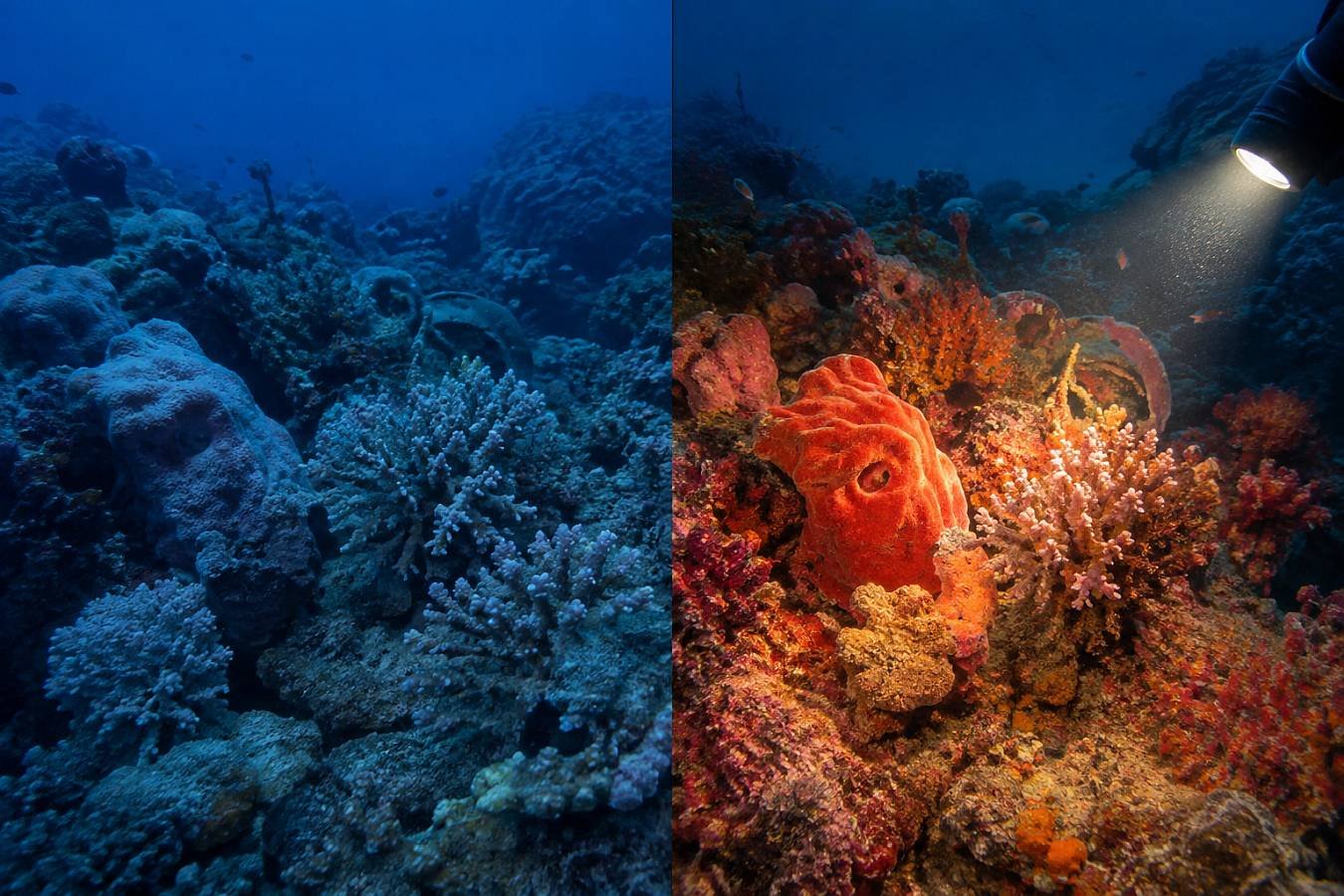
This is one of the reasons I always appreciate having a torch with me. Even in good daylight, shining a torch onto a subject can be a bit of a revelation. Suddenly the reds, oranges and yellows come back. A coral that looked grey or washed out a moment earlier can suddenly show its real colours. It is particularly noticeable when taking photographs, but even without a camera, using a torch can completely change what we see.
This is also why underwater photographers use strobes. They provide their own light close to the subject, bringing back colours that would otherwise be lost.
The other effect is caused by our mask. Water and air bend light differently, and the air space inside the mask changes the way light reaches our eyes. As a result, objects underwater appear roughly 25 per cent larger and closer than they really are.
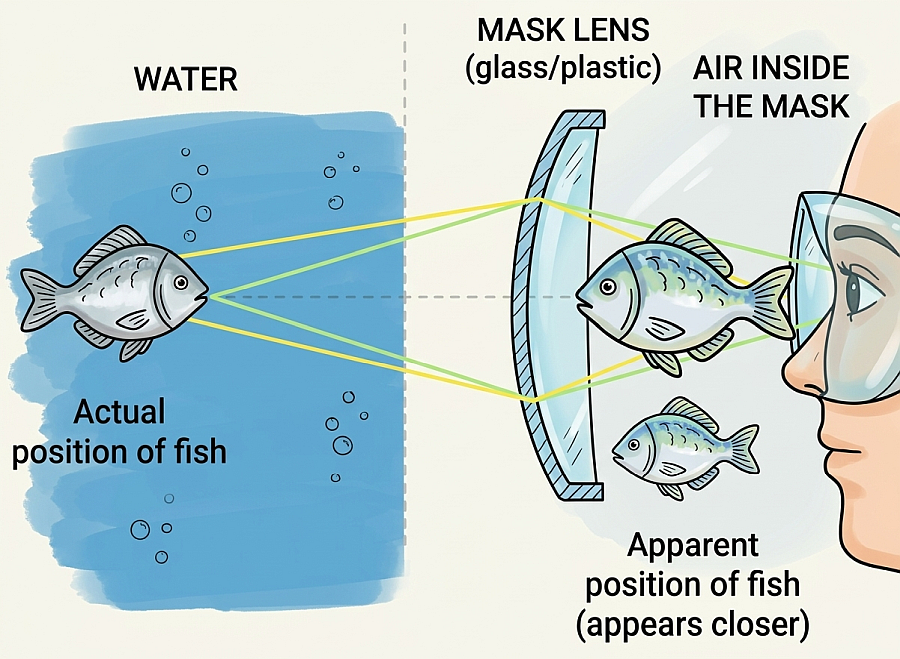
This can be slightly confusing at first. We may reach towards a fish thinking it is within easy touching distance, only to discover that it is further away than it looked. The same applies to judging the size of objects around us. With experience, we gradually stop thinking about it. After enough time underwater, our brain simply learns to compensate and our judgement of distance and size becomes much more natural.