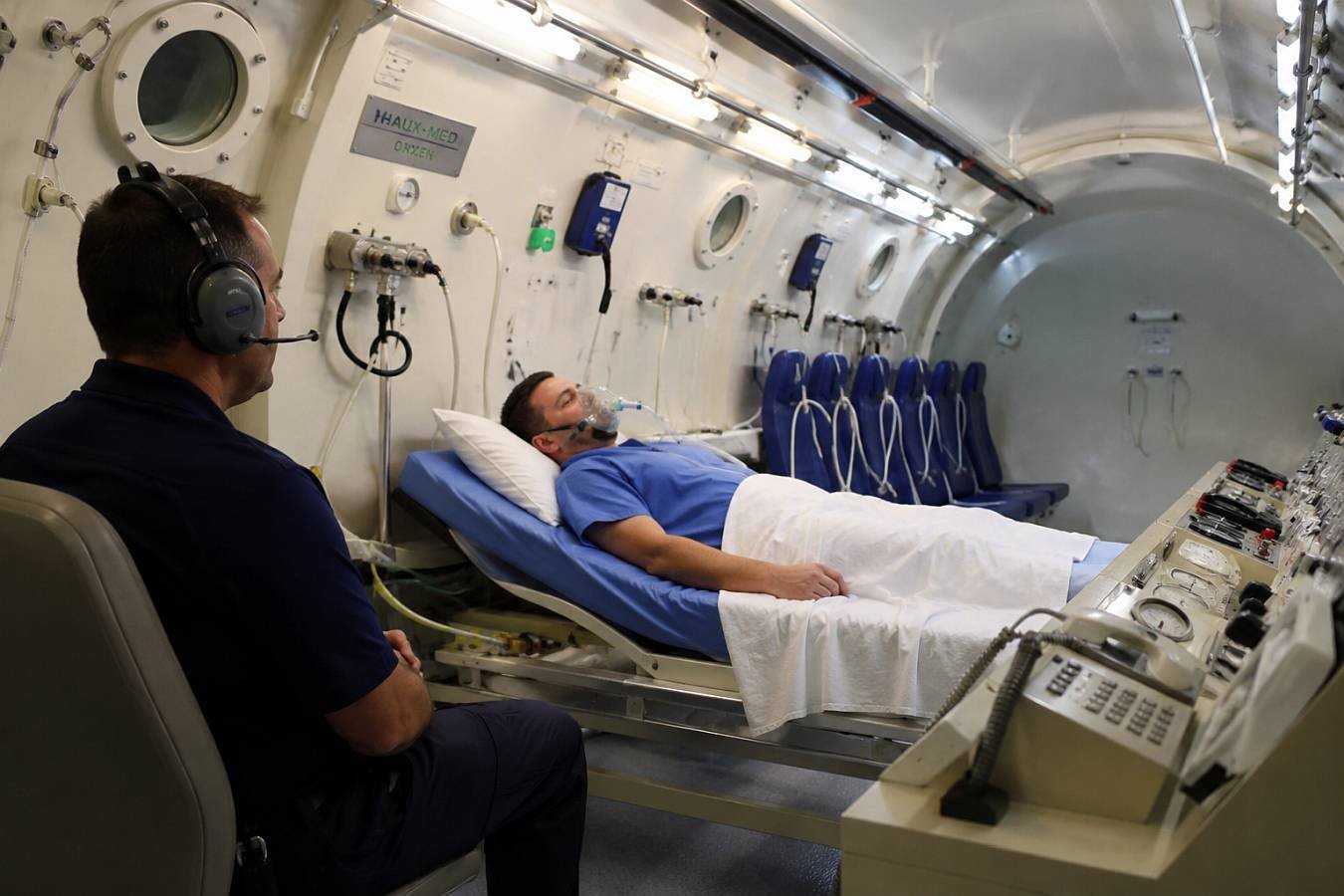
The Physics Behind Diving - Decompression Illness
This article follows on from "The Hidden Effects of Nitrogen" Decompression illness, or DCI, is a general term covering two…
This article follows on from "The Hidden Effects of Nitrogen" Decompression illness, or DCI, is a general term covering two…
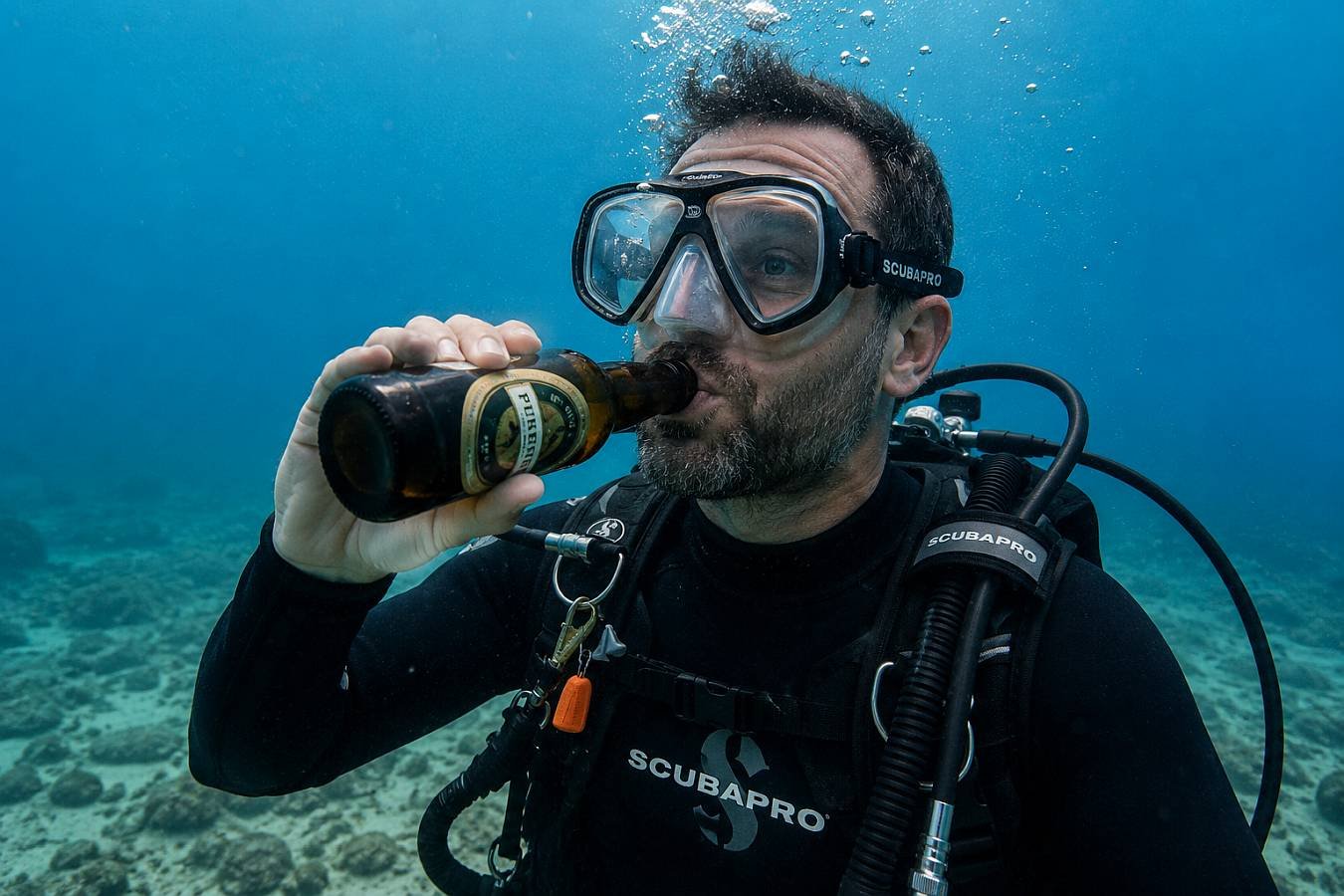
Nitrogen narcosis is another effect of breathing compressed gas at depth. As we descend, the pressure of the nitrogen we…
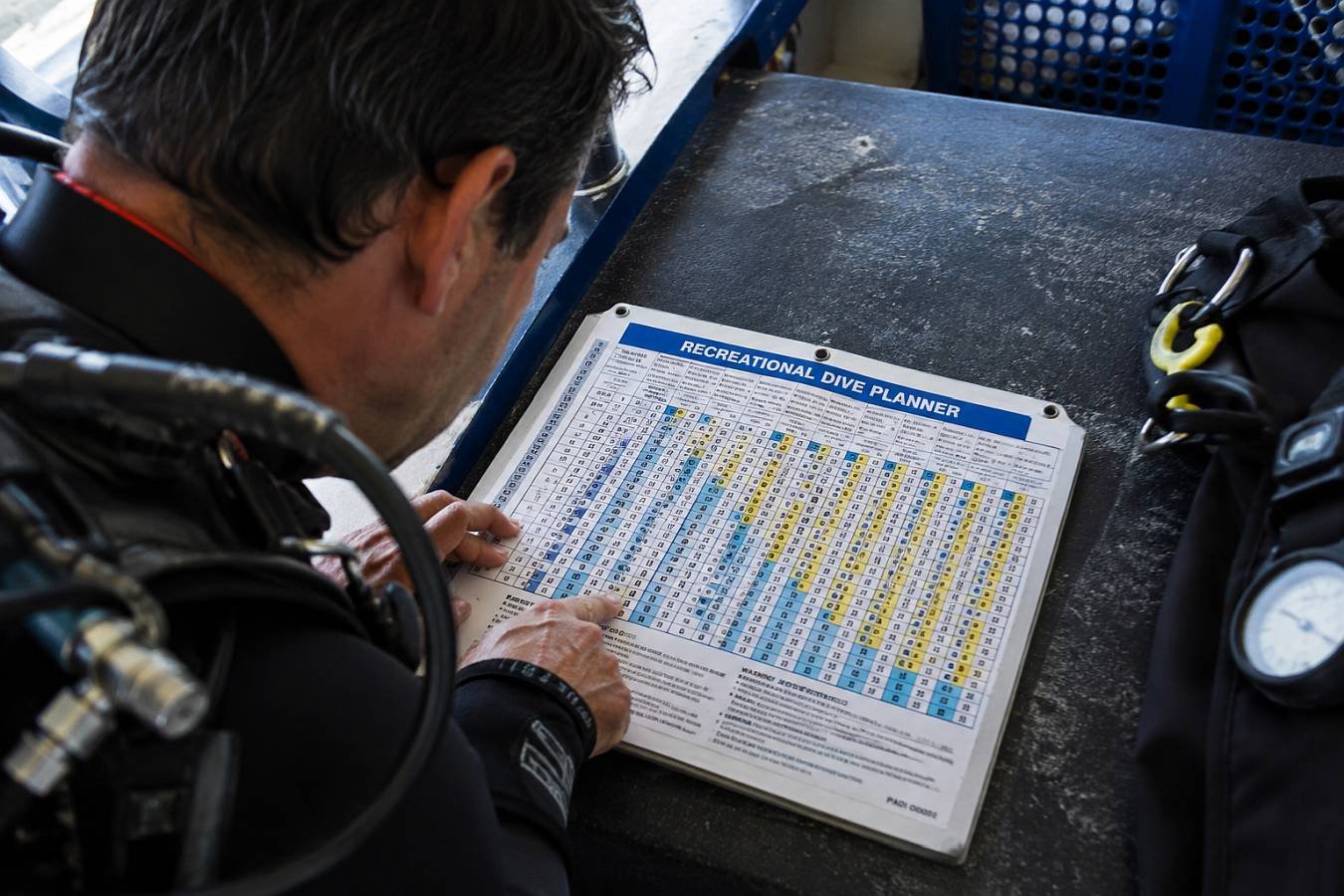
At first glance, a dive table can seem rather complicated, with rows, columns, letters and numbers that are not immediately…
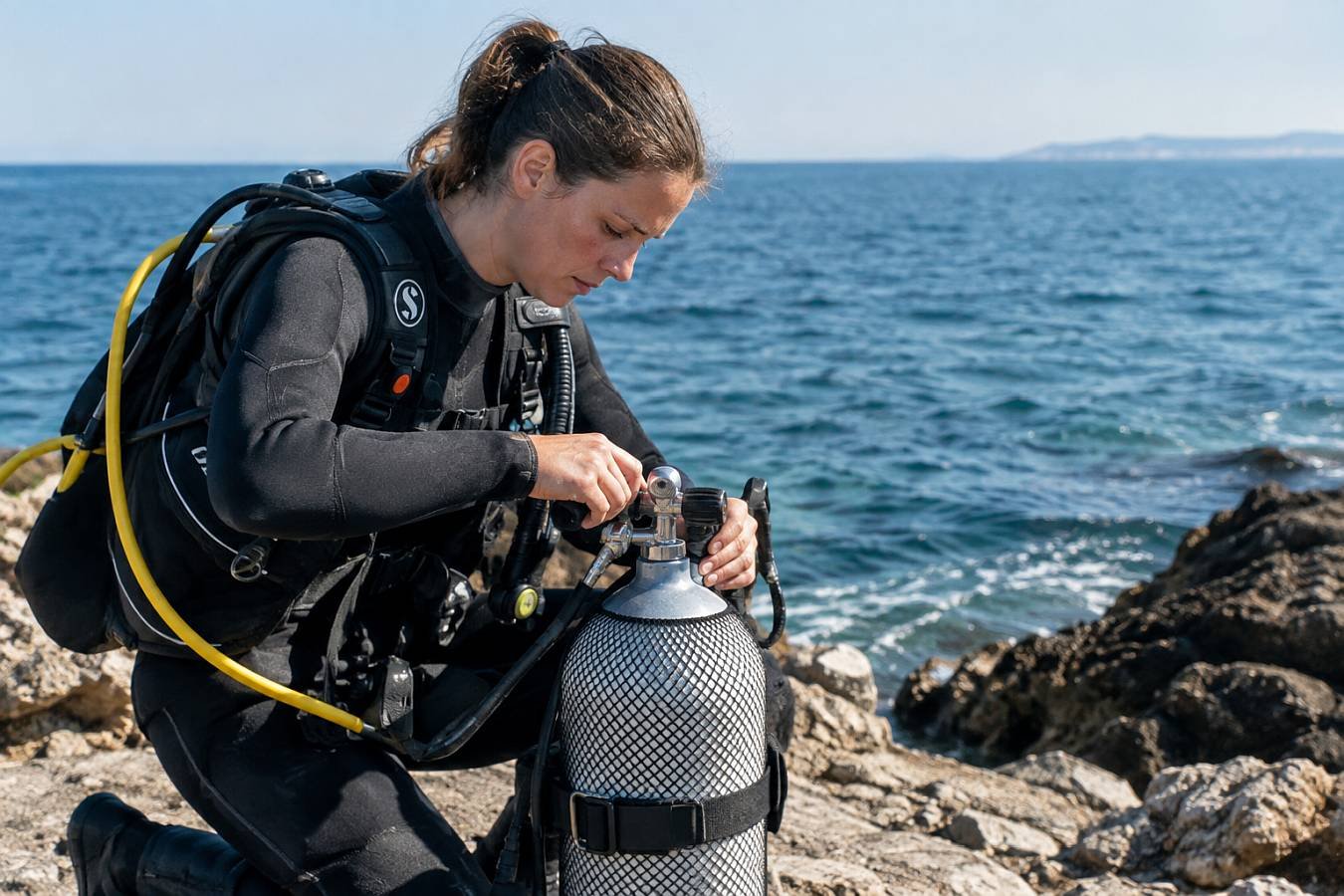
I take having enough gas very seriously when planning a dive. I never start a dive simply because my cylinder…
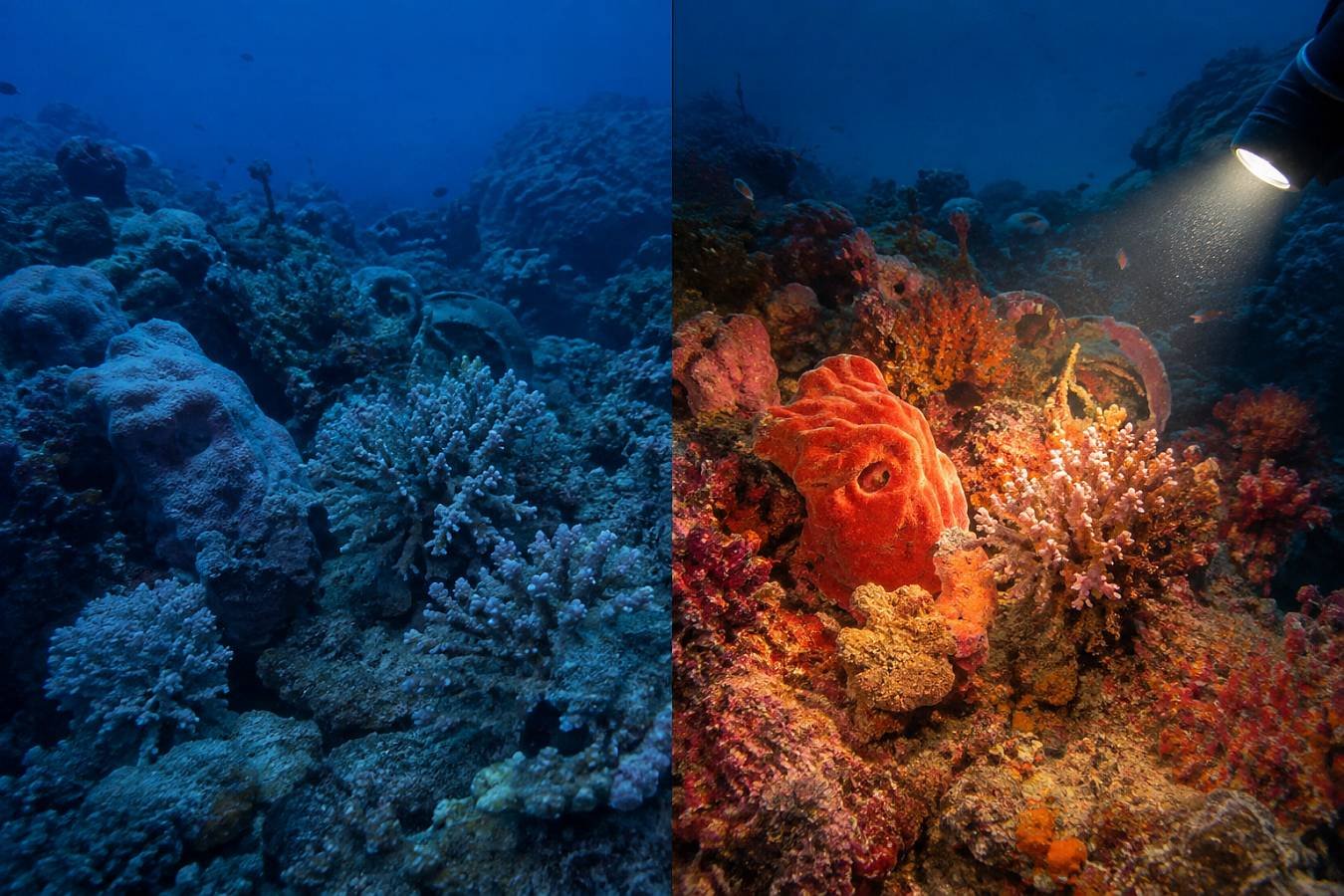
The way we see the underwater world changes almost as soon as we start descending. I remember the first time…
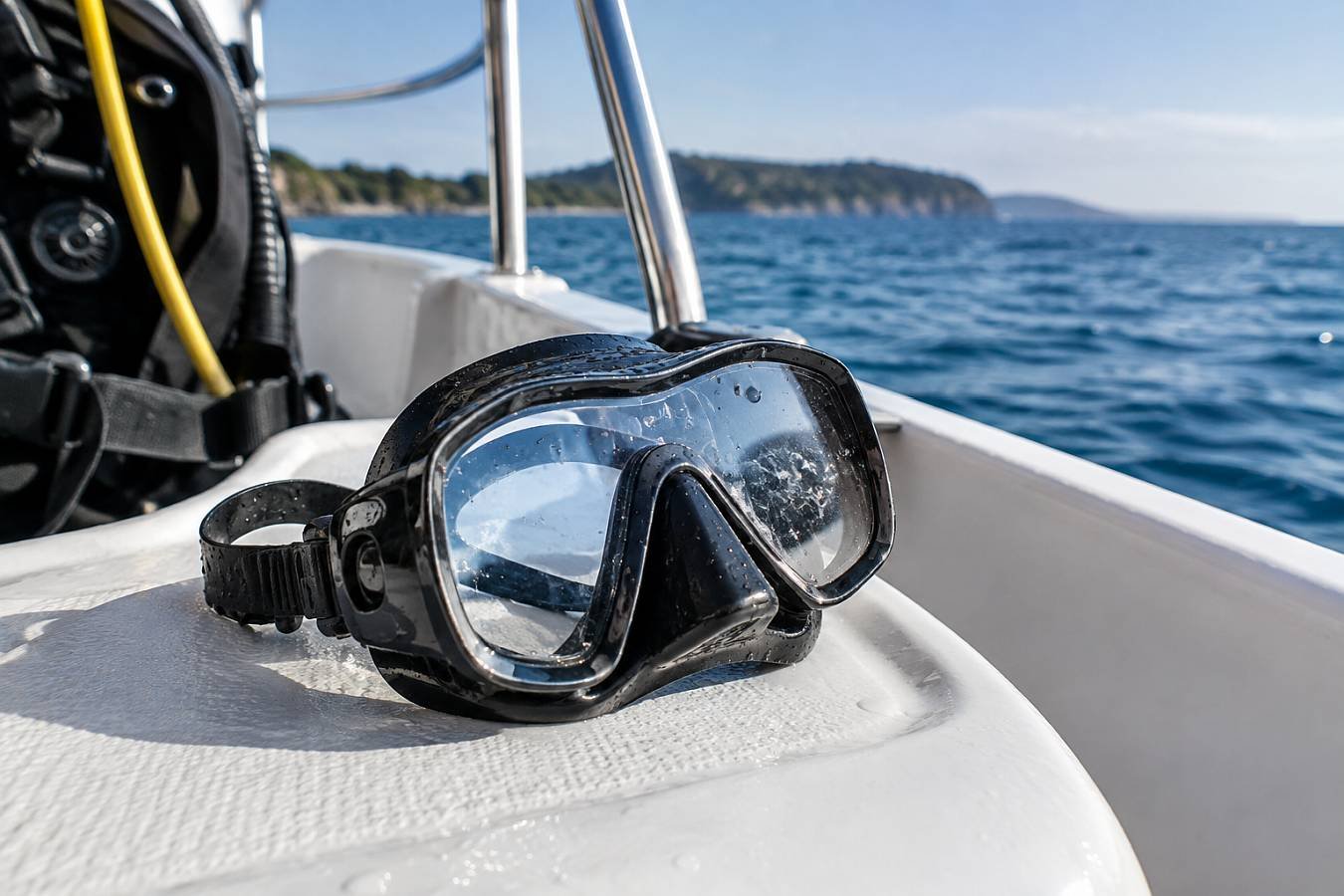
Choosing the right mask The mask is one of the pieces of equipment I pay most attention to. If it…
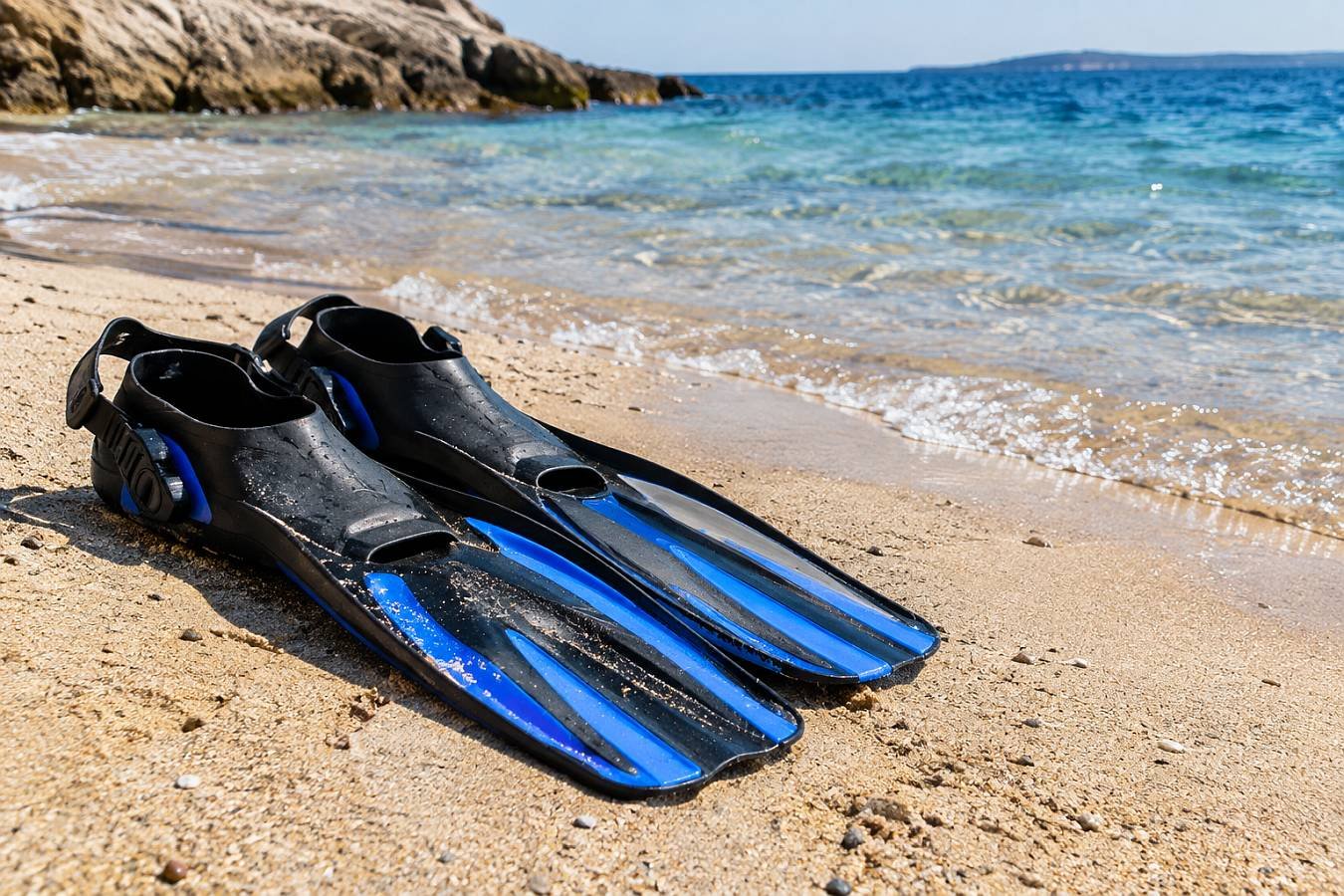
Fins are what turn our legs into an efficient means of propulsion underwater. We can swim without them, of course,…
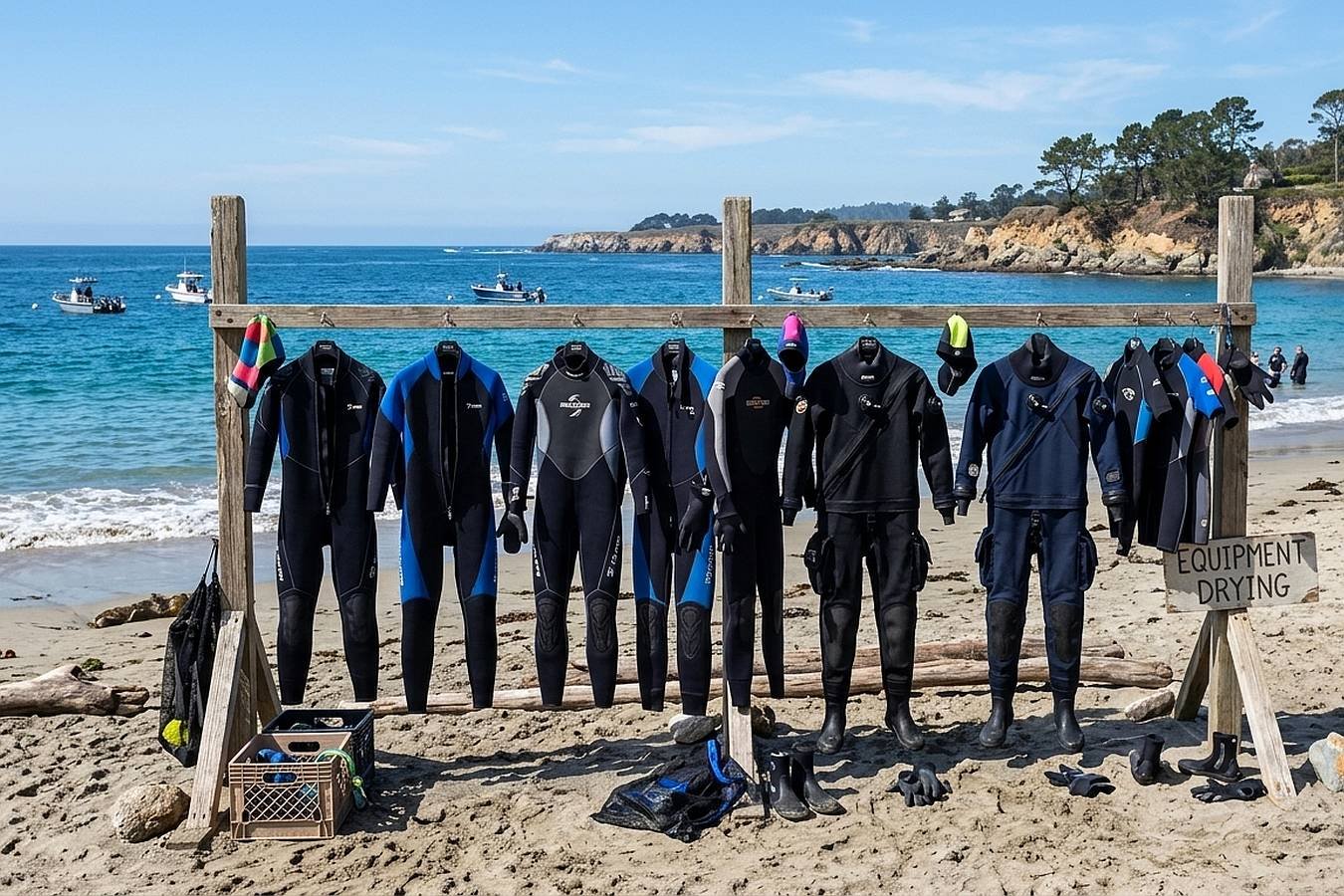
We all want to feel warm and comfortable underwater. It is easy to underestimate how quickly we can get cold…
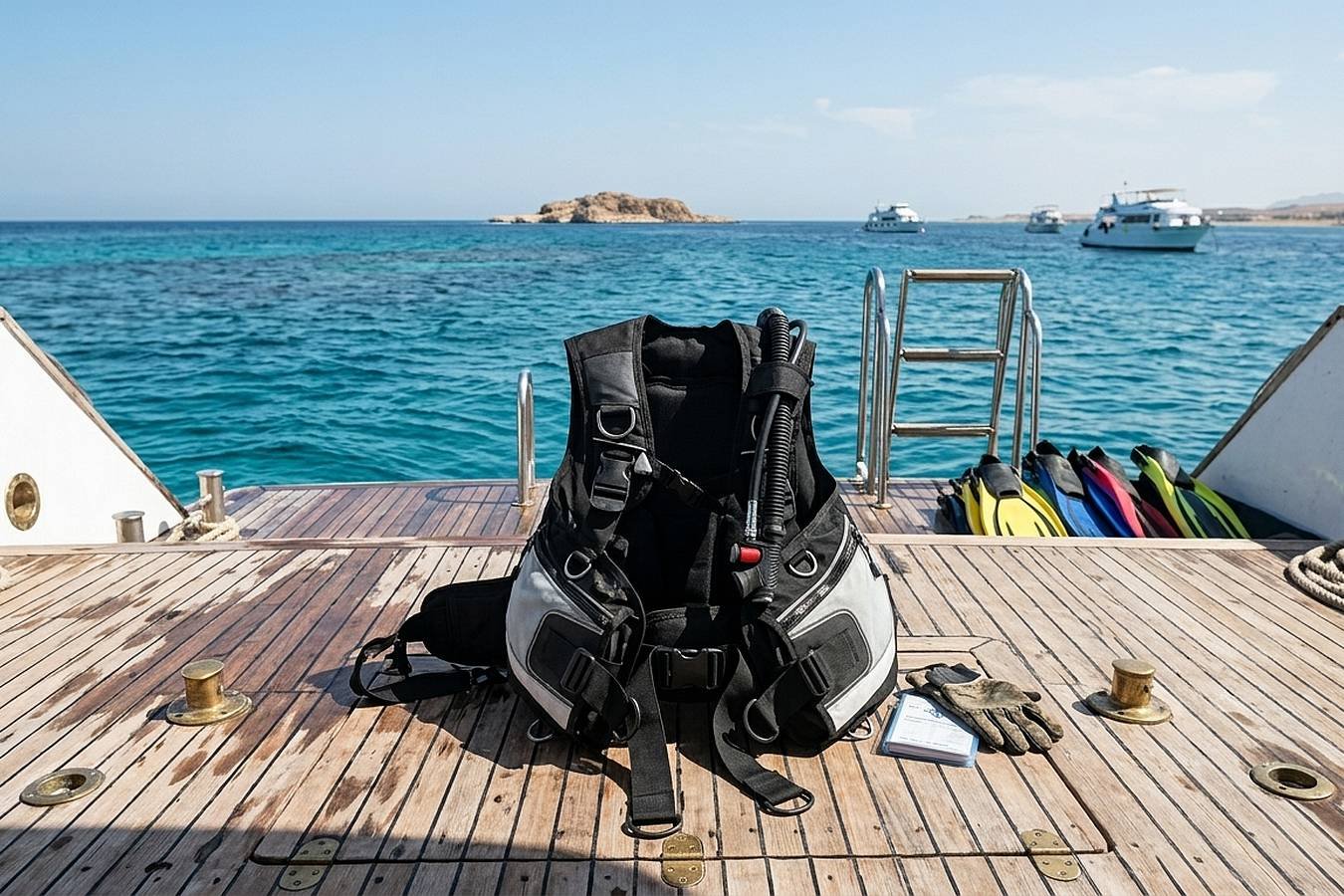
The BCD, or buoyancy control device, allows us to control our buoyancy by adding or releasing air, helping us float…
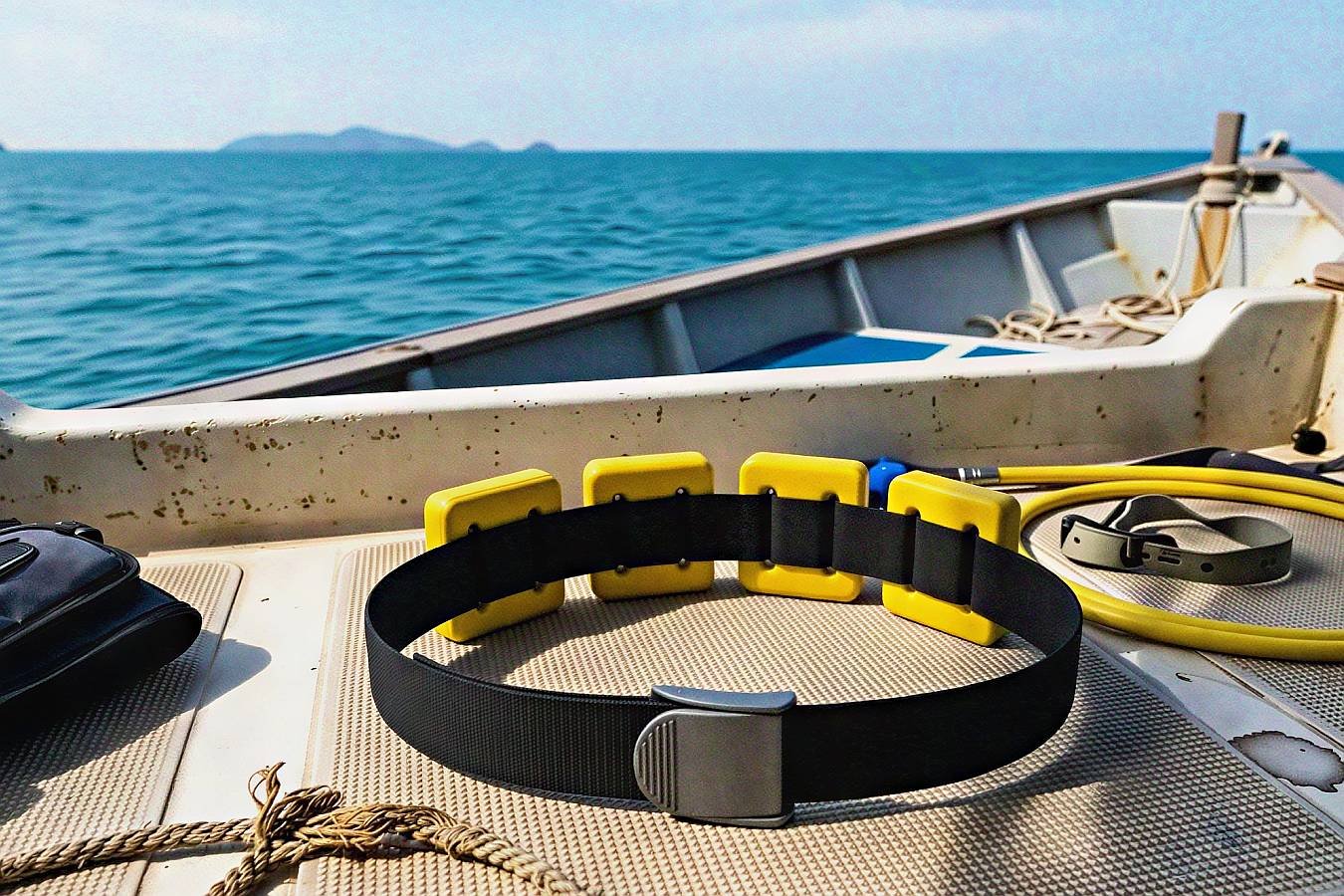
Most of us don’t value much weights until we start a dive and realise we can’t get down easily. Some…
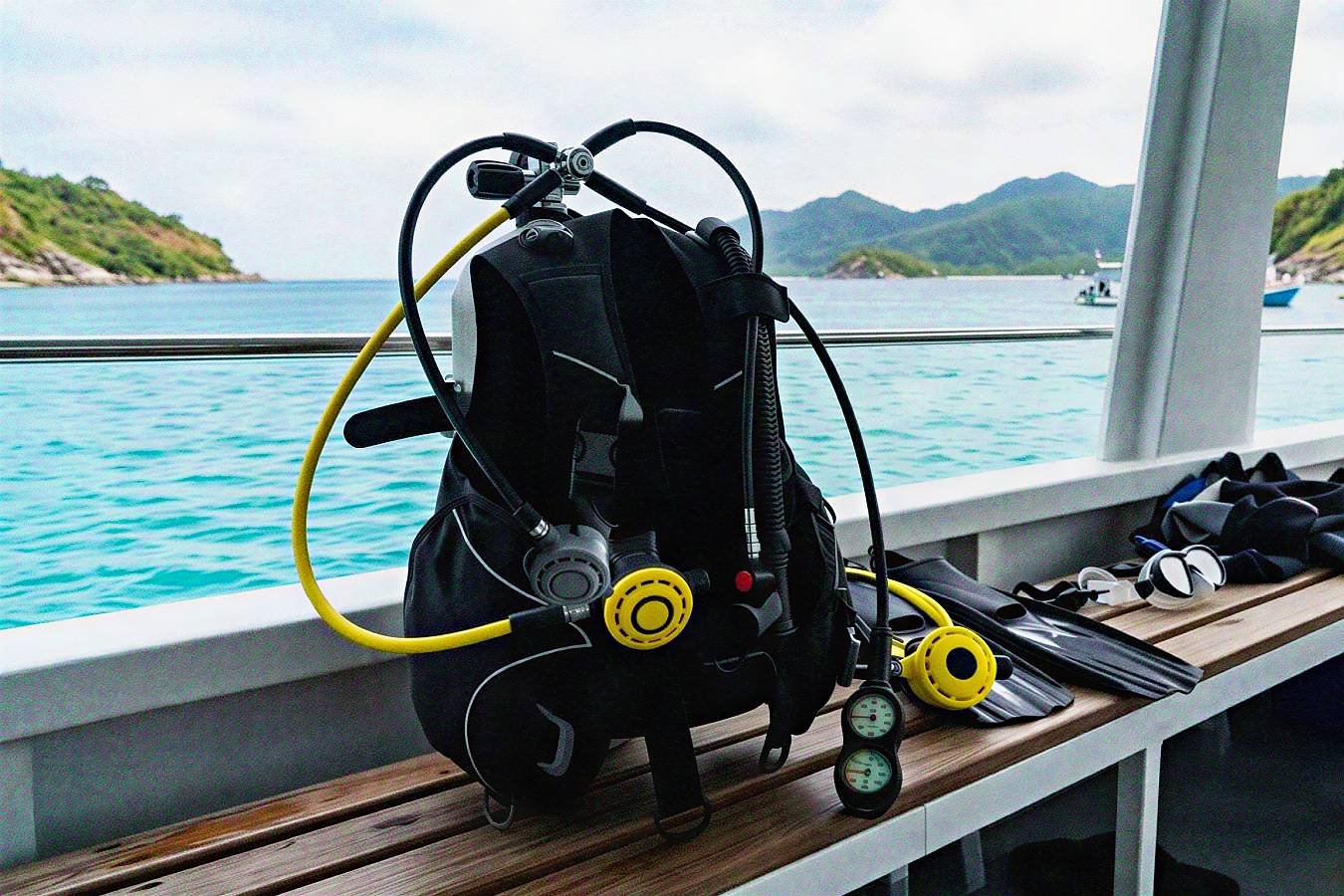
The regulator is the piece of equipment that allows us to breathe underwater. The air in our cylinder is stored…
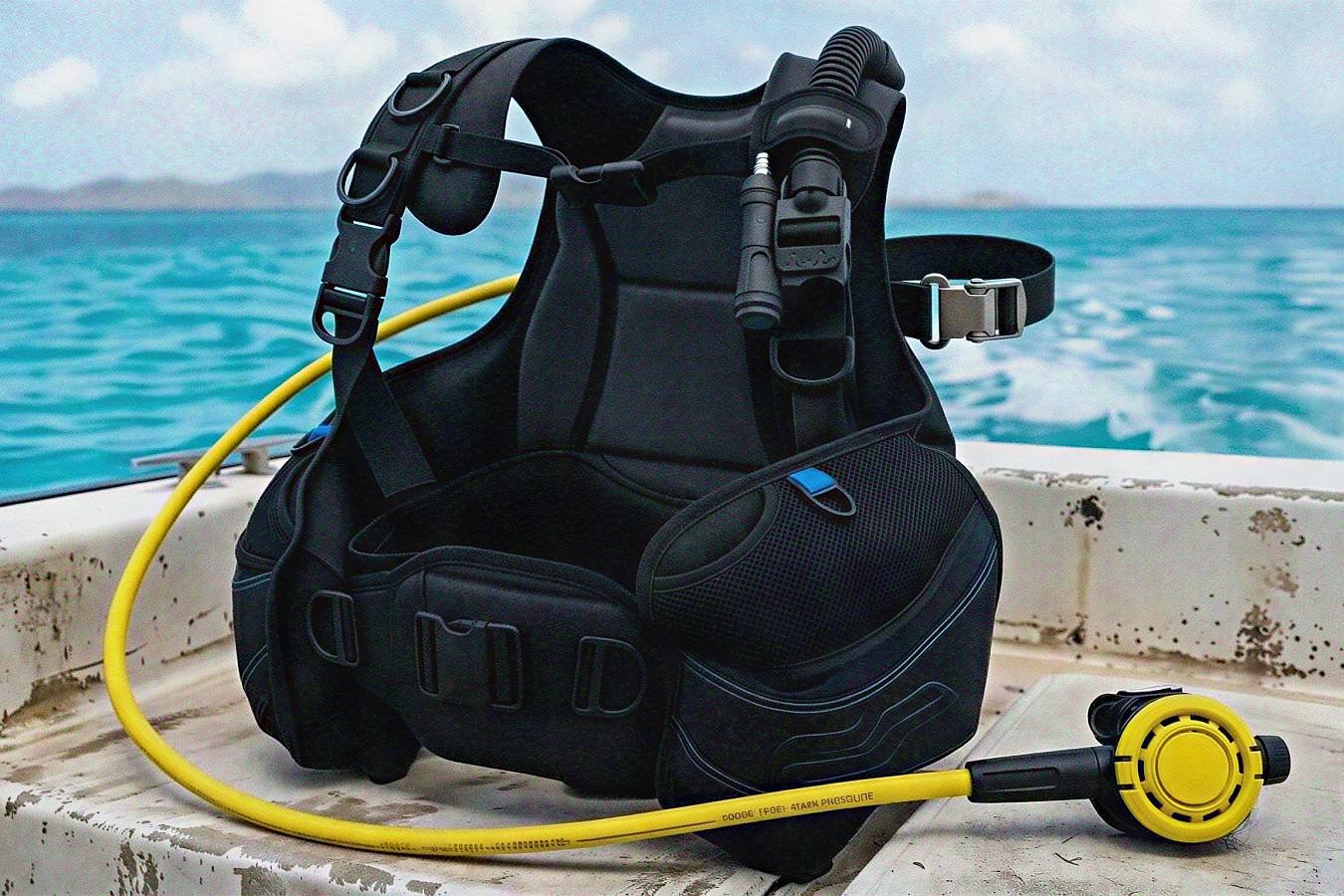
We need an alternate air source for one simple reason. If our buddy runs out of gas, we need a…
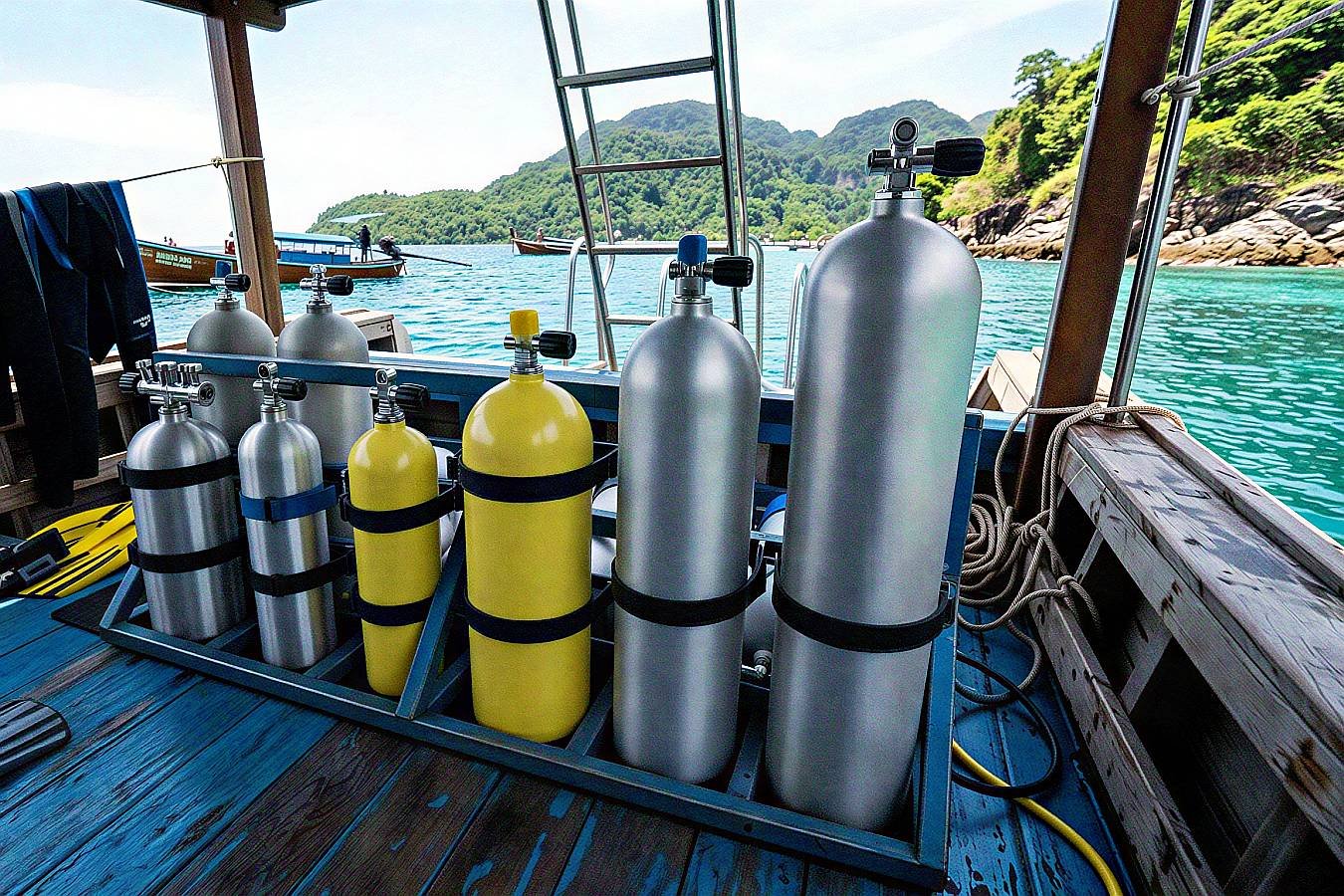
The diving cylinder stores the gas we breathe, usually compressed air. It holds the gas at high pressure and supplies…
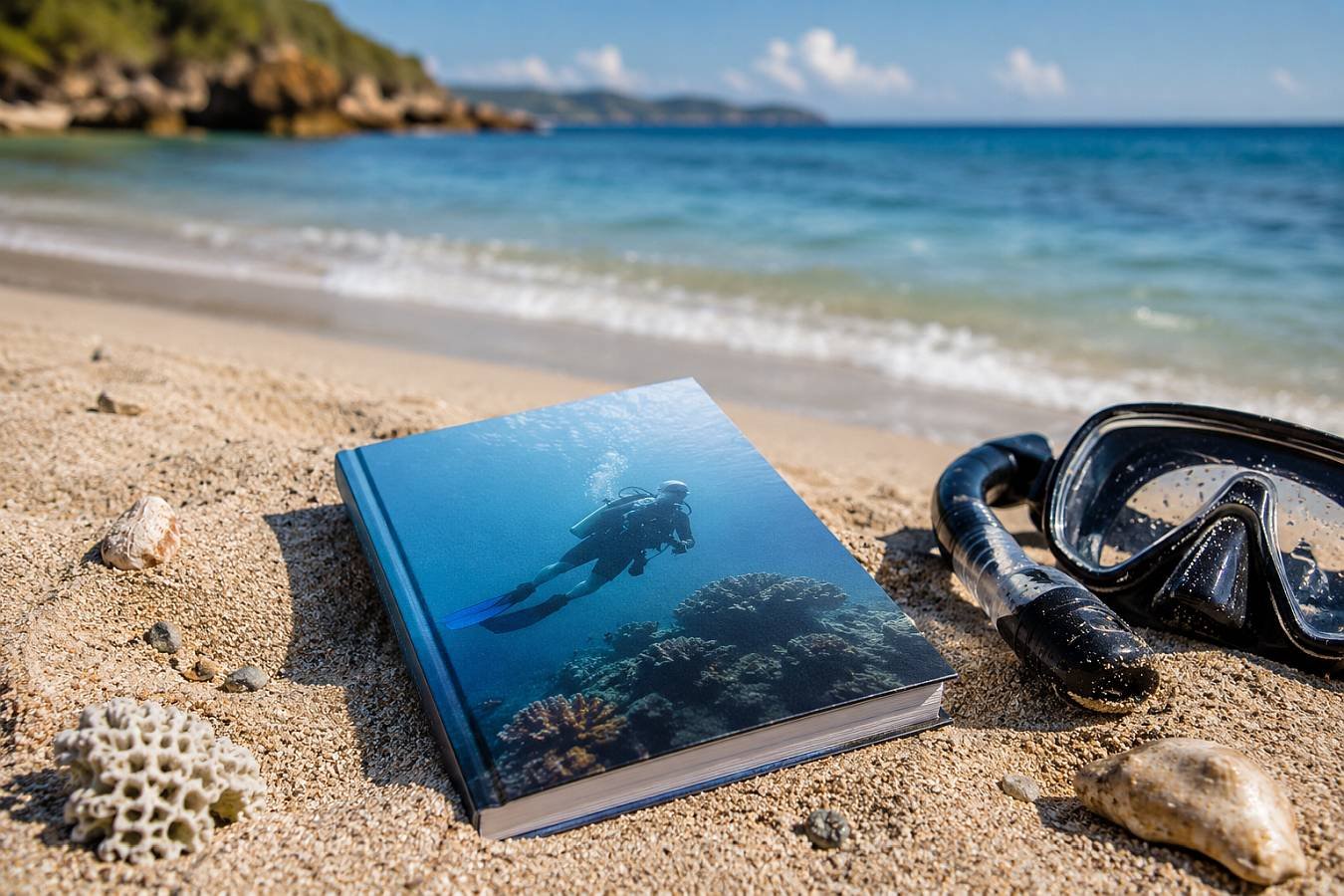
Yes, there will be a book. I can say that with more confidence than I could a few months ago,…
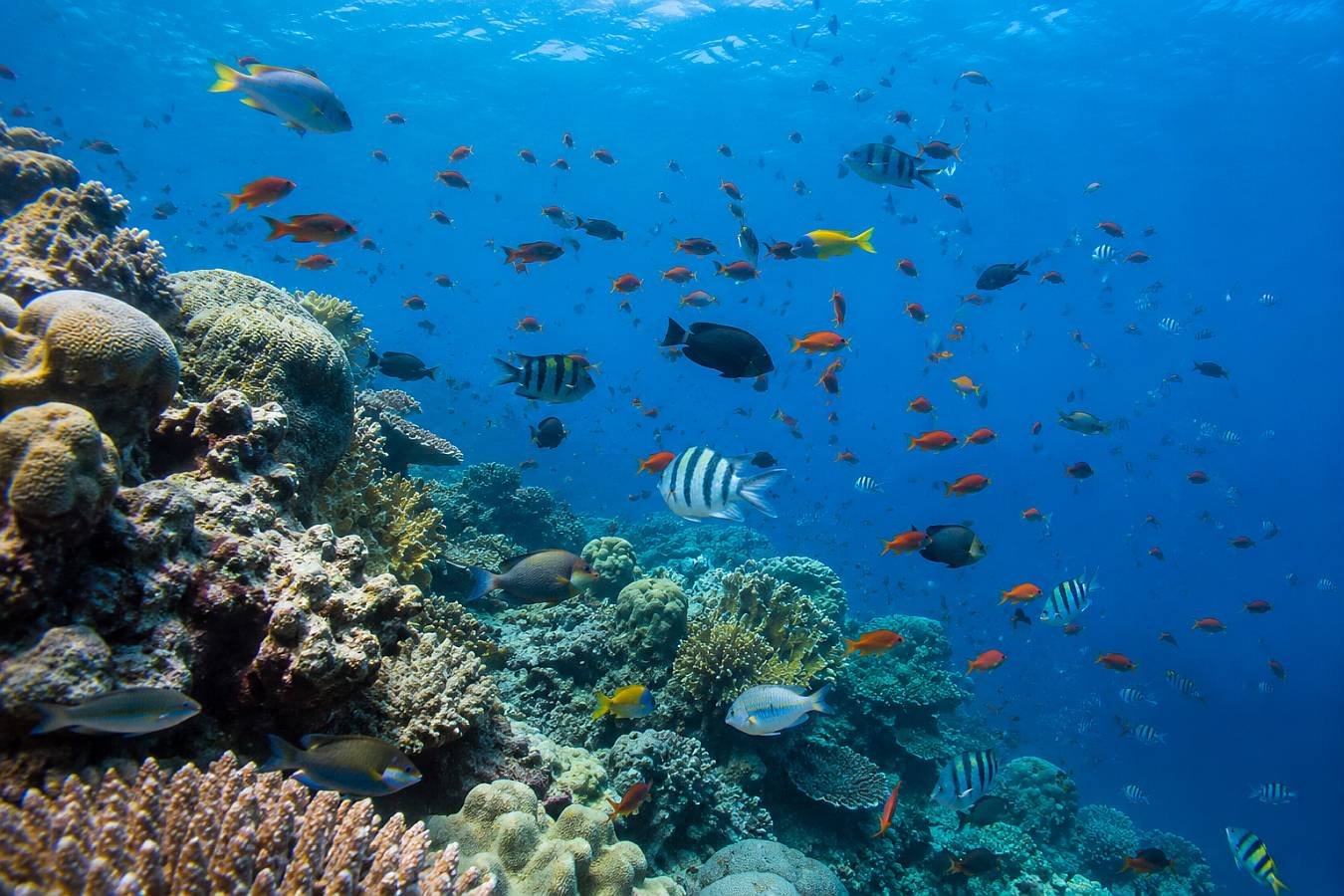
The sea was always there. Growing up beside it, I think I was drawn to the water before I fully…
Every dive leaves you with something to think about. An encounter you didn't expect, a creature behaving in a way that surprises you, a moment of stillness that's difficult to describe on land. This site is where those experiences go. Not a logbook, exactly, but a collection of reflections and observations from time spent underwater that felt worth putting into words. If any of it makes you curious about what's down there, or more inclined to help protect it, so much the better.